


As the 2025 tax filing season commences, taxpayers are beginning to evaluate their deductible expenses. While current filings may be finalized, homeowners should look toward Tax Year 2026 (BE 2569). The Cabinet has recently approved new tax measures to incentivize clean energy adoption, allowing citizens to reduce both their monthly electricity bills and their annual tax liabilities. Under this scheme, homeowners who install solar rooftop systems can claim a tax deduction of up to 200,000 THB.
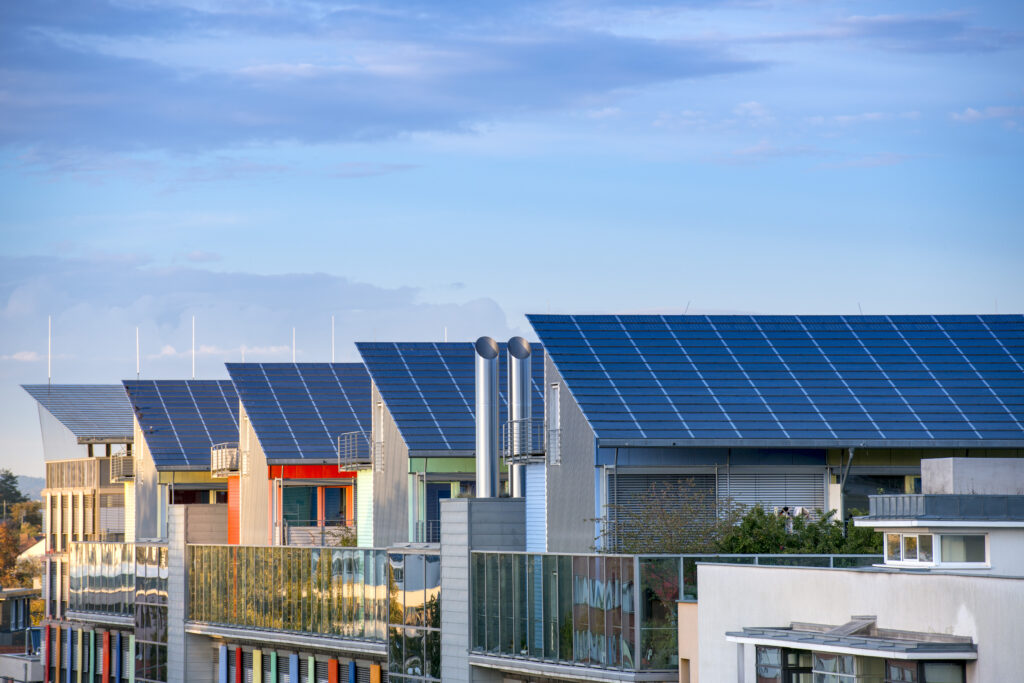
The Revenue Department’s Framework for Residential Solar Adoption
According to the latest announcement from the Revenue Department, the tax measure specifically targets individuals to promote renewable energy in the residential sector. Key provisions include:
- Eligibility: Individual taxpayers with assessable income under Section 40 (1)-(8) of the Revenue Code (excluding ordinary partnerships or non-juristic groups of persons).
- Deduction Value: Taxpayers may deduct the actual cost of equipment and installation, capped at a maximum of 200,000 THB.
- Residential Requirement: The claimant must be classified as a Category 1 (Residential) electricity user.
Crucial Terms and Conditions:
- Quota: The right can be exercised only once for a single system during the duration of the measure. The deduction must be claimed in the tax year the system is successfully connected to the national grid. Furthermore, the claimant’s name must match the name registered on the electricity meter.
- Technical Specifications: The system must be installed on the roof or deck of a residential dwelling and be a grid-connected (On-Grid) system under the Metropolitan Electricity Authority (MEA) or the Provincial Electricity Authority (PEA). The installation must be completed within the eligible tax year with a maximum capacity not exceeding 10 kWp per household.
- Documentation: A full e-Tax Invoice is mandatory to substantiate the claim.
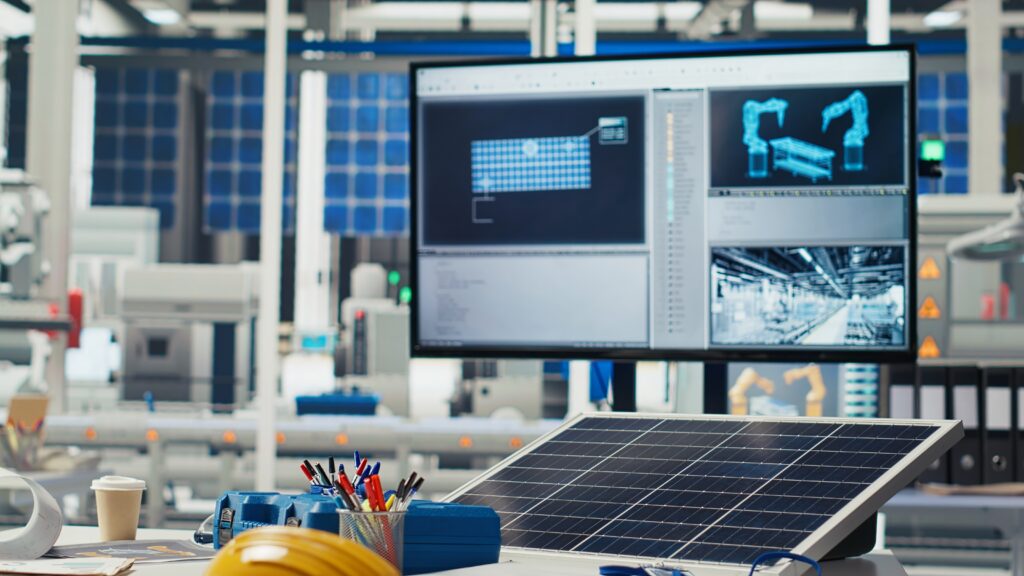
Incentives for Industrial and Business Energy Efficiency
In addition to residential measures, the government has introduced tax incentives to promote high-efficiency machinery and energy-conserving materials within the industrial and commercial sectors.
For individuals with assessable income under Section 40 (5)-(8) and juristic persons (corporations), investment expenditures can be deducted at 1.5 times (150%) of the actual cost. This effectively grants a tax exemption on 50% of the actual expenditure, subject to the following conditions:
- Asset Requirements: The machinery or equipment must be located within Thailand and must be in new (unused) condition.
- Depreciation: The assets must be eligible for wear and tear or depreciation under Section 65 bis (2) of the Revenue Code and must be ready for use by December 31, 2028 (BE 2571).
- Non-Duplication: The project must not have received other tax benefits under existing Royal Decrees or Ministerial Regulations, whether in whole or in part.
- Exclusions: These benefits cannot be applied to businesses already receiving corporate income tax exemptions under the Board of Investment (BOI), the National Competitiveness Enhancement Act, or the Eastern Economic Corridor (EEC) laws.
- Evidence: A full e-Tax Invoice is required for all transactions.

Implementation Timeline and Conclusion
These tax benefits will officially come into effect following a review by the Office of the Council of State and subsequent publication in the Royal Thai Government Gazette. The measures are scheduled to remain valid until December 31, 2028.
Beyond the immediate financial benefits of reduced utility costs and tax savings, the transition to solar energy plays a vital role in reducing greenhouse gas emissions. While waiting for the official Gazette publication, eligible taxpayers are encouraged to begin researching solar technology, system sizing, and reputable providers. Proactive planning will ensure that you select the right products and do not miss out on these significant fiscal incentives.
Source: