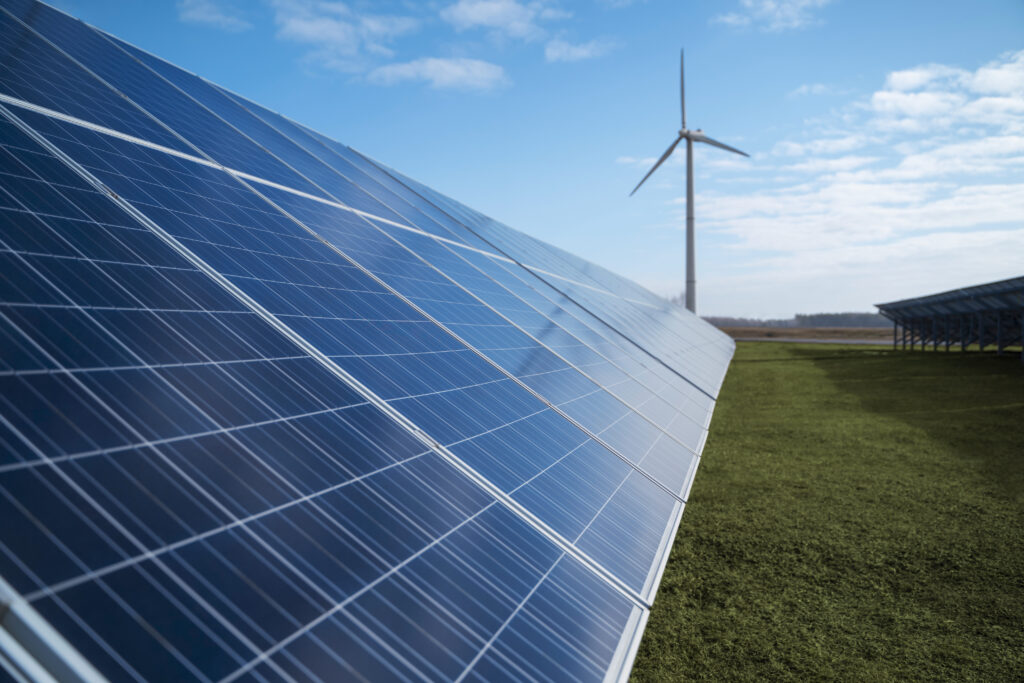
In recent years, the global community has pivoted significantly toward clean energy. Thailand, in particular, has implemented robust measures to catalyze this transition across the public sector, private enterprises, and civil society. Key incentives include tax rebates for solar rooftop installations of up to 200,000 THB, a 150% tax deduction on energy-saving equipment expenditures, and the strategic “EV 3.5” policy designed to accelerate electric vehicle adoption.
The 2025 Scientific Breakthrough
On December 18, 2025, the prestigious journal Science designated “Renewable Energy”—specifically solar and wind power—as the 2025 Breakthrough of the Year. This recognition stems from a monumental shift in the global energy landscape, with China emerging as the primary vanguard of this transformation.
During the first half of 2025, wind and solar capacity expanded at an unprecedented rate, successfully meeting the surge in global electricity demand. For the first time, these sources outpaced coal as a primary fuel source for power generation. China’s role as a global powerhouse is central to this achievement, as the nation currently accounts for 80% of the world’s solar technology production.
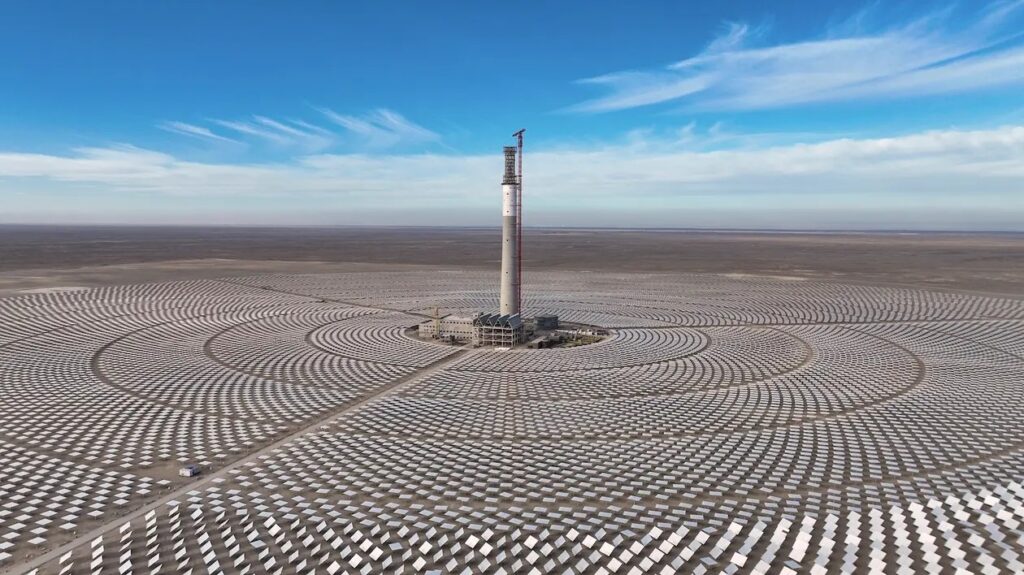
China: From “World’s Factory” to Green Leader
Historically known as the world’s largest emitter and the “factory of the world,” China has undergone a dramatic decoupling of economic growth and carbon emissions. According to a report by the Centre for Research on Energy and Clean Air (CREA), China saw a 1% decline in CO2 emissions during the first half of 2025 compared to the previous year. This reduction was driven largely by the power sector, where the installation of wind turbines and solar panels allowed renewable generation to exceed the 3.7% increase in electricity demand.
Under its updated Nationally Determined Contribution (NDC) framework, China has set ambitious targets for 2035, including:
- Emission Reduction: Reducing net greenhouse gas emissions by 7–10%.
- Energy Mix: Increasing the share of non-fossil fuels to over 30% of total energy consumption.
- Capacity Expansion: Scaling wind and solar capacity to over 3,600 GW (a sixfold increase from 2020 levels).
- Reforestation: Increasing forest stock volume by more than 24 billion cubic meters.
- Market Transformation: Mainstreaming New Energy Vehicles (NEVs) in the domestic market.
- Carbon Trading: Expanding the National Carbon Trading Market to cover all high-emission industries.
- Resilience: Establishing the foundation for a fully climate-resilient society.
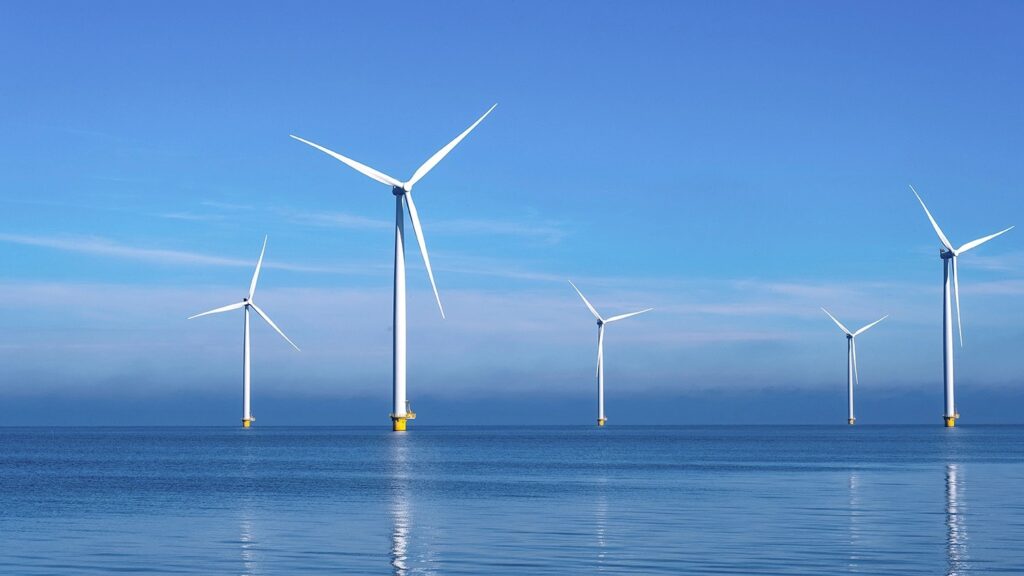
The UK’s Offshore Wind Dominance
In Europe, the United Kingdom continues to assert its leadership in wind energy. As one of the world’s largest offshore wind markets—second only to China—the UK reached a total capacity of approximately 40–45 GW in 2025. Driven by the Offshore Sector Deal, the UK government is on a clear trajectory to achieve its target of 50 GW of offshore wind capacity by 2030.
A Global Trajectory Toward 2030
The momentum is not confined to a few nations; over 80% of countries worldwide are experiencing rapid growth in renewable capacity. Leading this charge are China, the United States, India, Japan, South Korea, Germany, and the UK.
The International Energy Agency (IEA) projects that by 2030, global renewable energy capacity is likely to double compared to current levels. This growth will be fueled by onshore and offshore wind, solar photovoltaics (PV), hydropower, and bioenergy. Collectively, these global efforts represent a definitive step toward a low-carbon future and the successful mitigation of greenhouse gas emissions.
Source:
- 7 small but important advances on climate and nature in 2025
- China Xinhua News – Renewable Energy It’s the progress of the year 2025.
- Academic Journal Science Names Renewable Energy Surge 2025 Breakthrough of the Year
- China’s Carbon Emissions Fell in the First Half of 2025
- 2035 NDC Target – China
- WWEA Half-Year Report 2025
- UK Lies Second In Offshore Wind Farm Development
- UKwind Power Reaches Historic 30GW Milestone
- Executive Summary Renewable’s Global Growth
- Renewable Electricity